
Executive retreat ideas are shifting from perks businesses would like to have to mission-critical leadership tools, especially as organizations navigate constant change, hybrid work, and rising expectations around culture and well-being. In 2026, the most effective leadership teams will treat time away from headquarters as a deliberate reset. It’s a chance to step back from the noise, reconnect to purpose, and make decisions that shape the next several years.
Offsite gatherings give executives uninterrupted space to align on strategy, clarify roles, and rebuild trust in ways that are nearly impossible over video calls and back-to-back calendar blocks.
The blend of focused strategic work, authentic human connection, and restorative experiences distinguishes a modern executive retreat from those in the past. Team leaders can schedule high-impact working sessions in the morning when energy is the highest, followed by immersive teambuilding or outdoor time that helps ideas settle and relationships deepen.
At Contigo Ranch in Texas Hill Country, leadership teams can move seamlessly from structured meetings in dedicated event spaces to reflective walks, quiet porch conversations, and shared meals that feel more like a gathering of trusted partners than another offsite.
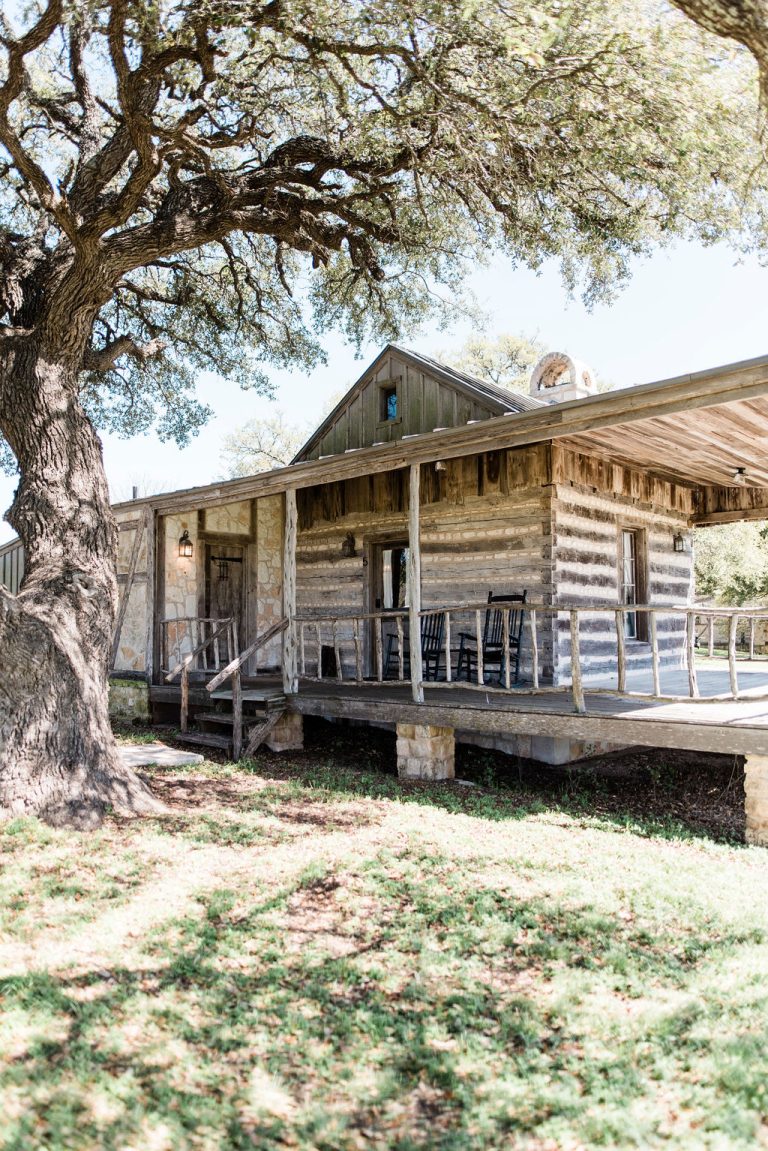
Contigo Ranch features historic cabins, expansive views, and curated wellness and corporate retreat offerings, making the environment a strategic asset. This makes it easier for leaders to think clearly, address tough topics honestly, and return to work aligned and reenergized.

Introduction to Executive Retreats for Leadership Development
Executive retreats create protected time for senior leaders to leave daily operations and examine long-term direction, roles, and behaviors. A leadership team can confront complex challenges, test assumptions, and make decisions with less noise and more focus.
Great executive retreats ideas also increase innovation. The change in the room and view helps leaders generate more solutions and strategic thinking. Add an immersive location, such as the Texas wine country and the rolling Hill Country terrain, to spark fresh perspectives and deeper conversations.
The key components of a successful executive retreat typically include:
Clear purpose and objectives that define the purpose of the retreat and what outcomes team leaders expect
The right participants, for example, specific executives or board members, who have the authority and insight to tackle the identified issues
A strategic location and venue that supports focus, privacy, and inspiration, with appropriate meeting spaces and amenities
A well-structured agenda that balances deep strategic work, team-building activities, and scheduled downtime for reflection
Strong facilitation or executive coaching to keep discussions on track, draw out diverse perspectives, and translate ideas into decisions
Engaging activities such as innovation workshops or collaborative problem-solving, aligned with leadership and culture goals
Integration of wellness elements, including rest, movement, and mental breaks, to sustain energy and reduce burnout
Solid logistics and communication before, during, and after the retreat, including follow-up plans to implement decisions and measure impact
A venue designed for both work and relaxation, such as Contigo Ranch’s blend of modern cottages and historic cabins with quiet porches and breakfast delivered to your doorstep

Key Elements of a Successful Executive Retreat
A successful executive retreat is more than the number of sessions you can pack into the agenda. It is also how well the elements connect to the organization’s goals. Aligning content, facilitation, and environment to the specific leadership team and the outcomes the CEO or board expects is imperative to meet these goals.
Core elements to prioritize include:
Venue
Choose a setting that not only minimizes distractions but also matches your organization’s culture and the tone of the retreat, whether that is casual and creative or more formal and board-focused.
Look for flexible spaces that can transition from plenary discussions to small groups and one-on-one conversations. The venue should also have on-site lodging and dining that keep the leadership team together between sessions.
Agenda Design
Build an agenda that creates a natural rhythm across the day, with clearly defined objectives for each block. It should also include intentional time for reflection, informal conversations, and integration of insights.
Incorporate a mix of formats, including plenary debates, small-group breakouts, walk-and-talks, and quiet thinking time, so different personalities can contribute in ways that feel productive and engaging.
Facilitation
Engage a facilitator who can design a clear arc for the retreat by moving the group from context and exploration into concrete decisions and commitments while staying attuned to group dynamics.
The facilitator should be skilled at surfacing unspoken tensions, balancing dominant and quieter voices, and guiding difficult conversations toward agreements that the entire leadership the team can support.
Strategic Planning for Executive Retreat Agendas
Strategic planning sessions are the backbone of many executive retreat agendas. These sessions clarify long-term vision, sharpen priorities, and define the short list of initiatives that move the needle within 12 to 24 months.
When properly executed, they expose dependencies so that each person leaves knowing how their work supports the agreed-upon strategy.
Incorporating executive coaching during the retreat deepens individual growth. Short one-on-one sessions, 360-style feedback debriefs, and small group leadership labs allow each person to have the space needed to reflect on their impact and blind spots as a leader.
Integrating this with team discussions helps translate personal insights into better team dynamics and decision-making.
Innovative Executive Retreat Activities
Modern leadership teams use more than traditional slide decks and passive presentations. Innovative executive retreat activities create experiences that connect strategy, behavior, and culture in memorable ways.
Additional activities that you should consider include:
- Innovation Workshops: Cross-functional teams tackle real business challenges and prototype solutions in a compressed timeframe and then pitch their ideas to the leadership team to build creative confidence and align innovation with strategic priorities.
- Goal-Setting Retreats: Create sessions where leaders translate long-term strategy into a focused set of annual and quarterly goals, backed by metrics and owners.
- Hill Country Immersion: At Contigo Ranch, teams can pair structured work with curated experiences in Texas wine country, scenic hikes, or ranch-style activities that foster authentic connection.
Benefits of Executive Retreats for Organizational Growth
When designed well, an executive retreat is not a perk. It is a strategic investment in organizational growth. It enhances leadership capabilities by clarifying roles, expectations, and decision rights across the team. It also sharpens strategic vision, ensuring the team understands where the company is going and why it makes specific trade-offs.
Over time, leadership development retreats generate compounding benefits, such as faster decisions and the ability to handle disruptions more efficiently and retain top talent for a longer period of time.
Regular executive retreat cycles, whether annually or semi-annually, create a rhythm of reflection, learning, and adjustment that aligns strategy and culture.
Retreats can also transform team collaboration and innovation by:
- Allowing senior leaders to build trust through candid conversations, shared experiences, and honest feedback that rarely happens in routine meetings
- Helping leaders improve collaboration at work during significant challenges
- Creating space for senior leaders to reconnect with the organization’s mission, values, and long-term purpose, which strengthens the narrative they share with the broader company
- Boosting executive engagement and well-being by giving leaders time to step out of always-on mode, recharge, and return with renewed energy and motivation to lead
- Fostering a healthier culture by modeling vulnerability, empathy, and open dialogue at the top, which cascades into higher employee engagement and more human-centered leadership behaviors
- Stimulating creative problem-solving and innovation through exposure to new environments and dedicated brainstorming sessions that surface fresh ideas and unconventional solutions
- Strengthening cross-functional relationships among executives to reduce silos and make collaboration across departments smoother and more efficient
- Enhancing organizational adaptability and resilience by giving leaders time to reflect on emerging risks, test scenarios together, and agree on how the organization will respond to future disruptions


Integrating Technology in Executive Retreats
Even for in-person retreats, technology can enhance the experience. Virtual team building activities and digital whiteboards allow remote participants to join key sessions without diluting engagement for those on-site. Collaboration platforms and shared documents keep notes, decisions, and action items visible to the entire leadership team in real time, which makes it easier to move from discussion to execution once you return to work.
For modern executive retreats, light-touch technology integration is increasingly important. Reliable connectivity, video-conferencing setups, and user-friendly tools allow you to include global leaders while keeping the retreat grounded in the physical environment.
This allows you to support strategic sessions and coaching instead of dominating them, and the focus stays on people, ideas, and authentic challenges.


Choosing the Right Retreat for Your Leadership Team
Selecting the ideal executive retreat starts with clarity. Define primary outcomes such as strategic planning, culture, and leadership development. Identify who needs to be in the room, such as board members, C-suite, and functional heads, so each person understands why their presence matters.
When assessing corporate retreat locations, look for places that naturally support your goals. Quiet, privacy, and a mix of formal and informal spaces, including meeting halls, breakout areas, and outdoor gathering spots, are excellent for strategic solutions.
Contigo Ranch combines a dedicated events hall, expansive lawns, and intimate cabins in the heart of the Hill Country, which allows leadership teams to have room to work, walk, and reflect between sessions.
Aligning retreat objectives with organizational goals is nonnegotiable.
- Every significant activity and block on the agenda should connect to a strategic priority, behavior shift, or culture outcome you want the leadership team to embrace.
- This alignment also makes it easier to measure impact, including tracking follow-up actions, strategic initiatives launched, and shifts in engagement or performance.

The Future of Leadership: Why Contigo Ranch Is Your Next Strategic Investment
Executive retreats will play a significant role in the future of leadership development as businesses navigate rapid change, hybrid work, and complex stakeholder expectations. Leaders require recurring spaces to reset strategy and strengthen the relationships that make execution possible.
Innovative retreat ideas are essential because yesterday’s offsite retreats no longer meet today’s challenges. Teams need experiences that encourage thinking, solving conflicts, and building resilience.
Blending strategic sessions with curated activities such as ranch experiences, wellness practices, and local Hill Country excursions helps leaders integrate insight with lived experience in such a way that remains at the forefront of the team’s minds.
Contigo Ranch offers a powerful platform for this kind of transformative work, including:
- Leadership and corporate retreat packages combine lodging, catering, and curated team-building activities, so executives can focus on content instead of logistics.
- Historic cabins and modern cottages with quiet porches and sunrise views create a natural buffer from everyday noise, helping each person arrive present, engaged, and ready to tackle the work that truly matters.
For organizations exploring their next executive retreat, the question isn’t whether you can afford to take the time, but whether you can afford not to give your leadership team a focused reset. Hosting your next executive retreat at Contigo Ranch, a dedicated Texas Hill Country event venue, provides the strategic environment, service, and experiences that turn great ideas into real-world results.